
Understanding Daegu’s Urban Rhythm Through Daebam
Daegu moves with a tempo that feels both electric and grounded, a city humming long after sunset and stirring early with market chatter. From neon-lit streets to late-night eateries, its cadence reflects youth, tradition, and restless ambition. For those wanting a clearer view of this pattern, platforms like 대밤 사이트 offer a window into the city’s after-dark conversations, hotspots, and social pulse. Yet Daegu’s rhythm cannot be captured by nightlife alone. It is shaped by layered districts, student energy, food culture, and digital communities that amplify local voices. To understand how Daebam mirrors this living pattern, one must look deeper into the structures that shape how people meet, move, and celebrate daily life.
Nightlife as a Living Pulse
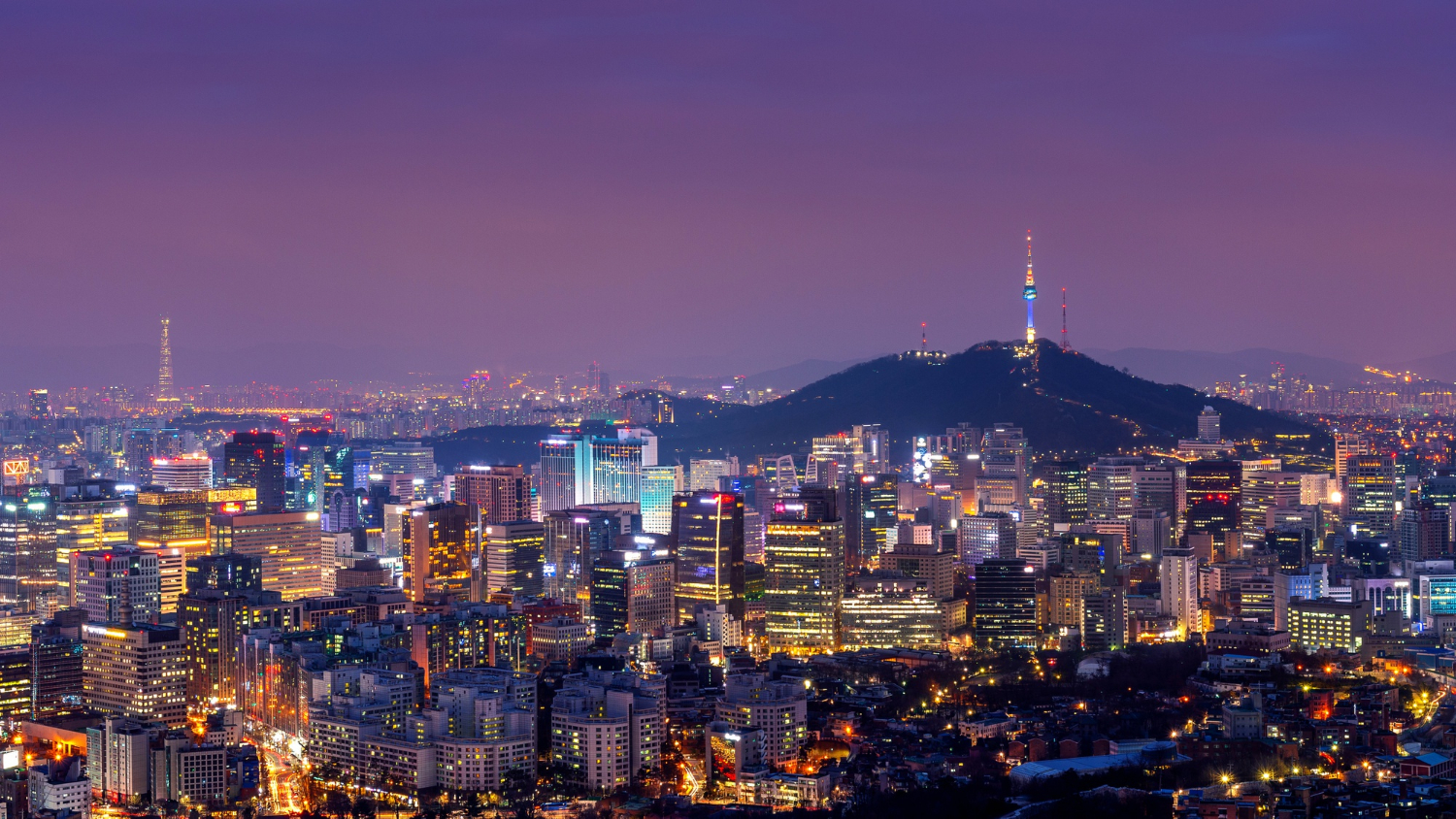
Daegu’s nightlife acts like a barometer of its mood. Districts around Dongseongno shift from relaxed café afternoons into buzzing evening playgrounds. Music leaks from basement bars, rooftop lounges glow above traffic, and food stalls stretch into the early hours. The movement feels organic rather than staged. Daebam reflects this pulse by cataloging where energy gathers and how crowds rotate between venues.
Instead of glossy promotion, it captures the practical side of going out—where lines form, what themes dominate the week, and which neighborhoods feel lively. This shared information builds collective awareness. Locals contribute insights, and visitors benefit from street-level perspective. Nightlife in Daegu is not chaotic; it follows patterns shaped by university calendars, seasonal festivals, and weather shifts. Daebam becomes a digital echo of that rhythm, amplifying real experiences rather than constructing artificial hype. Through these shared updates, the city’s evening heartbeat becomes easier to read.
Youth Culture and Student Influence
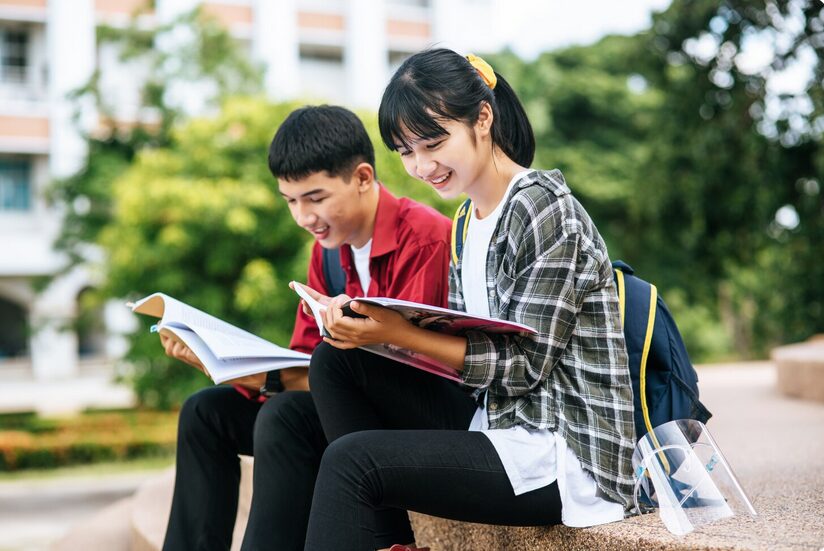
With institutions like Kyungpook National University and Keimyung University anchoring the academic landscape, Daegu thrives on student presence. Young adults shape fashion trends, café aesthetics, and even music tastes in entertainment districts. Their routines—lectures by day, gatherings by night—create predictable waves of activity. Daebam mirrors these movements. Event promotions often align with exam breaks or festival seasons.
Clubs adjust themes to match campus moods. Food vendors extend hours during orientation weeks. This interplay shows how student life ripples through commercial streets. The student population also influences communication style. Reviews are direct, fast-paced, and sometimes blunt. Humor, memes, and short-form commentary shape how venues gain or lose popularity. Daebam operates as a digital bulletin board, reflecting these conversations in real time. Through this lens, one sees how youth culture does more than entertain—it directs economic flow and shapes the city’s evolving social map.
Food, Street Culture, and Late-Night Rituals
Daegu’s culinary identity plays a central role in its urban rhythm. From spicy tteokbokki stalls to smoky barbecue houses, food marks transitions between activities. After concerts or club visits, groups drift toward street vendors for comfort meals. These rituals repeat weekly, forming a recognizable cycle. Daebam highlights these culinary stops alongside entertainment venues. Instead of isolating dining from nightlife, it shows how the two interconnect.
A bar recommendation often pairs with a late-night restaurant suggestion. This linkage captures how residents actually experience the city—moving fluidly from music to meals. Street culture also thrives in small details: convenience stores as social hubs, pop-up markets during festivals, and sidewalk seating that blurs indoor and outdoor space. Such elements might seem ordinary, yet they anchor the communal feel. Daebam’s listings and discussions preserve these everyday habits, allowing outsiders to understand how social rituals repeat and evolve.
Digital Community and Collective Awareness

Modern urban rhythm depends heavily on digital conversation. Social media posts, group chats, and review platforms influence where crowds gather. Daebam acts as a centralized reference point within this digital landscape. It aggregates opinions, updates, and recommendations into a shared archive. This collective awareness reduces guesswork. Instead of wandering without direction, users approach evenings with informed expectations.
Popularity spikes become visible quickly. Quiet venues gain exposure through word-of-mouth amplification. The digital layer does more than advertise—it shapes perception. A single trending review can redirect foot traffic. A themed event gaining traction online may transform an average weeknight into a packed celebration. Daebam channels these signals, translating scattered comments into organized insight. In doing so, it reflects how urban energy now flows between physical streets and digital screens.
Conclusion
Understanding Daegu’s urban rhythm requires attention to nightlife patterns, student-driven momentum, culinary rituals, and digital dialogue. Daebam stands at the intersection of these forces, echoing real-time movement while preserving the city’s layered character. Through its reflections of social habits and gathering points, one sees how Daegu’s tempo forms—steady, expressive, and shaped by those who participate in it daily.